What to Expect on Your First Day at ASCM Magick Classes

The first day of a magick class can feel like standing at the edge of a threshold. There is excitement, a little nervousness, and one clear question: what happens once class actually begins?
At ASCM, that first day is designed to help students settle in, meet the people who will share the journey, and understand how the course will unfold. It is not a test of how much anyone already knows. It is the opening of a structured path into the knowledge and practice of the craft.
Students can expect a welcoming start, an introduction to founder Ruth Ribeiro, time to meet fellow students, and a guided look at the tools, lessons, assignments, and practices that will shape the course. From there, the work begins.

The first moments help everyone cross the threshold
The beginning of class is often the moment when students move from curiosity into commitment. At ASCM, the first day gives that transition room to breathe.
Students enter the class space, get oriented, and begin to understand what kind of experience they have joined. This opening time may include simple guidance on how the class will be conducted, how participation works, and what students should keep nearby for lessons and practice.
The goal is to make the first step feel clear. Rather than feeling lost in unfamiliar terms or rituals, students are introduced to the course rhythm. They learn where to focus, how to follow along, and what to expect from each class meeting.
That structure matters. Magickal study can open deep questions about symbols, energy, intention, ritual, personal discipline, and spiritual growth. A steady beginning helps students feel supported as they begin working with new ideas and practices.
The first day also sets the tone for the full course. Students are encouraged to arrive with openness, respect, and a willingness to participate. Each person brings a different background. Some may already practice forms of the craft. Others may be brand new and still learning the language of magick. The class allows room for both.
A good first day does not need to overwhelm. It should invite.
Students meet Ruth Ribeiro and learn the heart of the course
One of the important parts of the first day is getting to know Ruth Ribeiro, the founder of ASCM, an Award-winning author, and Portal Keeper. This introduction helps students understand who is guiding the course and what kind of magickal container they are entering.
A teacher’s presence matters in spiritual education. The way a course is led shapes the way students learn, ask questions, and practice. Meeting Ruth gives students a sense of the person behind the curriculum, the intention behind the school, and the care placed into the learning experience.
Students can expect to learn about her role within ASCM and how her work connects to the path being taught. This is also a chance to better understand the course’s purpose. The first day is not only about reviewing logistics. It is about recognizing that the class is part of a larger magickal journey.
This introduction may help students feel more connected to the course from the start. Instead of entering a set of disconnected lessons, they begin to see the path as a guided experience. The founder’s role gives shape to the learning, and the opening class helps students see how the pieces fit together.
A magickal course begins with information, but it grows through practice, presence, and trust in the process.
Students do not need to know everything right away. The first day is simply the beginning of a relationship with the teachings, the class community, and the work they will practice over time.
Meeting fellow students creates a shared circle
After the welcome and introduction, students will have the chance to get to know fellow classmates. This part of the first day can be one of the most meaningful.
Magickal study is personal, but it does not have to be lonely. A course setting allows students to learn beside others who are also asking questions, building skills, and discovering their own relationship with the craft. That shared environment can make the experience feel more grounded.
Students might hear why others joined, what they hope to learn, or what drew them to ASCM. These early conversations create a sense of community. They remind everyone that each person is entering with their own path, yet all are gathered for a common purpose.
Getting to know other students also supports class participation. It can feel easier to ask questions when the space feels familiar. It can feel easier to share reflections when others are also learning and growing. Over time, classmates may become part of the encouragement that keeps students engaged with the work.
This does not mean anyone has to share more than they are comfortable sharing. A respectful class circle honors privacy and personal pace. The first day simply opens the door for connection.

The magickal journey begins with knowledge and practice
Once introductions are complete, the course begins moving into its core purpose: the knowledge and practice of the craft.
The first class starts at its set time, and students begin working through the subjects assigned for that class. This gives the course a steady rhythm from the beginning. Students are not only welcomed into the space, they start learning.
That balance is important. Magick is not only something to read about. It is something to study, practice, reflect on, and refine. The ASCM course brings those pieces together through lessons and hands-on work.
Students can expect the subjects in each class to build their understanding step by step. While the full path unfolds across the course, the first day helps students get comfortable with the method of learning. They begin to see how topics are introduced, how practice follows instruction, and how their own participation shapes the experience.
This is where curiosity becomes discipline. A student may arrive with interest in spells, ritual, energy, or spiritual connection. The class helps turn that interest into focused study.
A typical learning flow may include:
Listening to the teaching for the day
Following guided explanations of key subjects
Taking notes for later reflection
Participating in class practice
Asking questions when clarification is needed
Receiving assignments to continue the work outside class
The first day should help students understand that magickal growth happens through steady practice, not pressure. The craft is learned through repetition, reflection, and respect for the process.
Digital tools help students stay organized
The ASCM course includes digital tools designed to support students as they move through the lessons. These tools help keep the learning experience clear and organized, especially for students attending from different places.
Digital support can make a tremendous difference in an online or virtual learning environment. Instead of trying to remember every detail from class, students can return to course materials, follow instructions, and complete assignments with more confidence.
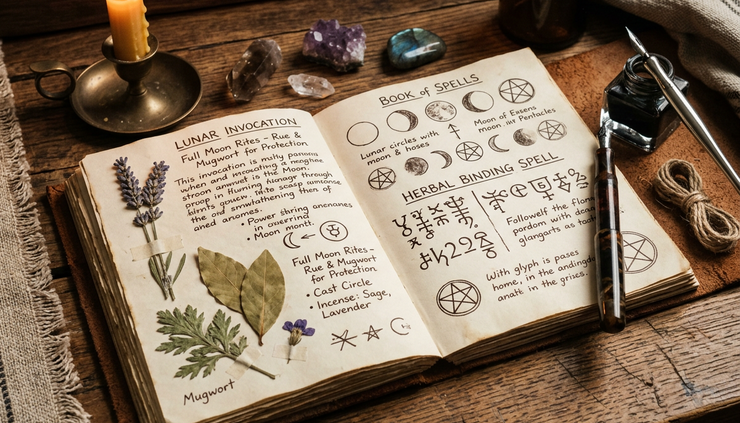
One of the most meaningful parts of the course is guidance on creating a personal Book of Spells. This is more than a notebook. It becomes a record of study, practice, growth, and personal understanding.
Students are given steps to begin creating their own Book of Spells. This may include how to organize entries, record class notes, document spell work, and preserve reflections from assignments or rituals. Over time, the book becomes a personal companion to the course.
A student’s Book of Spells might include:
Class notes and key teachings
Spell structures and ingredients
Personal observations
Ritual steps
Results and reflections
Questions for future study
Symbols, correspondences, or meaningful insights
This process helps students develop a habit of recording their work. That habit matters because memory alone can blur details. Written records help students notice patterns, track changes, and return to lessons later with fresh understanding.
Digital tools also support in-class assignments, homework, and participation. These pieces are part of the learning path, not extra busywork. They help students apply what was taught, practice between classes, and stay connected to the course.
Assignments and participation turn learning into craft
A strong magick course does not leave students as passive listeners. ASCM includes in-class assignments, homework, and class participation so students can practice what they are learning.
This is where the course becomes active. Students may be asked to reflect, write, observe, practice, share, or complete work between sessions. These assignments help build confidence and personal connection to the material.
In-class assignments give students a chance to work with the lesson while the teacher and class energy are present. This can help questions come up in real time. It also allows students to experience the difference between hearing about a subject and actually engaging with it.
Homework continues that process after class. It invites students to bring the teachings into their own space and schedule. That personal practice is where many lessons begin to settle.
Participation also matters. Students who speak up, ask questions, and stay engaged often gain more from the course. Participation does not always mean having the perfect answer. Sometimes it means being honest about what is unclear. Sometimes it means sharing a reflection that helps another student feel less alone.
The first day helps students understand these expectations early. They learn that the journey will ask for attention and involvement. The class offers guidance, but students bring the willingness to practice.
For many seekers, this is the moment when the course begins to feel real. The path is not only imagined. It starts taking shape through time, effort, study, and magickal work.
Each class follows a set time and a clear path
Structure supports spiritual study. The ASCM classes begin at their scheduled time, and students are expected to be ready to start with the group.
This simple detail can shape the entire experience. Arriving on time helps students settle their energy before instruction begins. It also honors the class circle, the teacher, and the work being done.
A set class time creates rhythm. Students know when to show up, when to prepare, and when to focus. That rhythm helps magickal learning become part of daily or weekly life rather than something that only happens when inspiration appears.
Students can prepare for each class by keeping a few items nearby:
A notebook or digital note-taking tool
Their developing Book of Spells
A pen or pencil
Any class materials provided
A quiet space when possible
Water or tea, if that helps them stay grounded
The first day gives students a sense of how future classes will feel. There will be a beginning, a lesson, practice, participation, and direction for what comes next. That clarity helps reduce uncertainty and lets students focus more fully on the craft itself.
The path closes with completion, recognition, and celebration
The course is not open-ended. It leads toward a clear point of completion.
At the end of the ASCM magick classes, students who complete the course will receive a special certificate of completion. This certificate marks the time, effort, study, and participation they brought to the journey.
A certificate is not only a document. It can serve as a reminder of the threshold crossed. Students begin on the first day with questions and anticipation. They finish with experience, practice, written work, and a deeper relationship with the craft.
The course also includes a virtual graduation celebration. This gives students a chance to honor the path they completed and share that moment with the class community. A graduation gathering can bring closure to the course while also opening the door to continued practice beyond it.
That ending matters because spiritual learning deserves recognition. When students commit time and energy to magickal study, completing the course becomes a meaningful milestone.

Why seekers should act soon
The first day at ASCM is the beginning of a full course experience: meeting Ruth Ribeiro, connecting with fellow students, learning the structure of the classes, beginning the subjects, practicing the craft, using digital tools, creating a Book of Spells, completing assignments, and working toward graduation.
For seekers who feel called to join, timing matters. The classes will close their doors this week, which means the opportunity to enter this current course will not remain open much longer.
A magickal path often begins with a quiet inner pull. The next step is choosing to answer it.
Those who enter on the first day will not be expected to know everything. They will be asked to show up, listen, participate, practice, and let the journey unfold one class at a time. By the end, they will have more than notes. They will have experience, a personal record of their work, a certificate of completion, and a shared celebration of the path they walked.
The threshold is open now, but only for a short time.



Comments